
Since the introduction of the Saracini Aviation Safety Act in 2018, Harper Engineering has been working to develop and prototype a solution that enhances the safety of all individuals onboard. Our primary focus has been on three key aspects: security, adaptability, and customization.
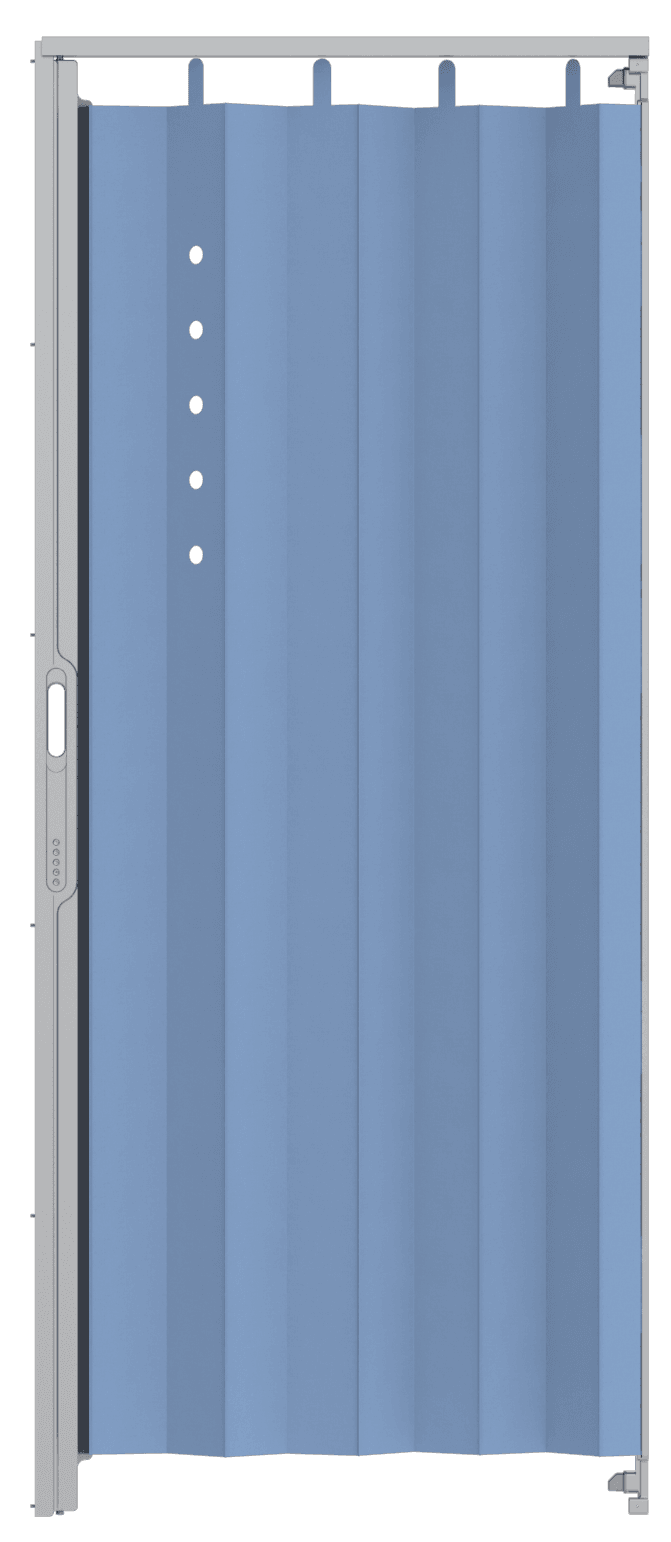
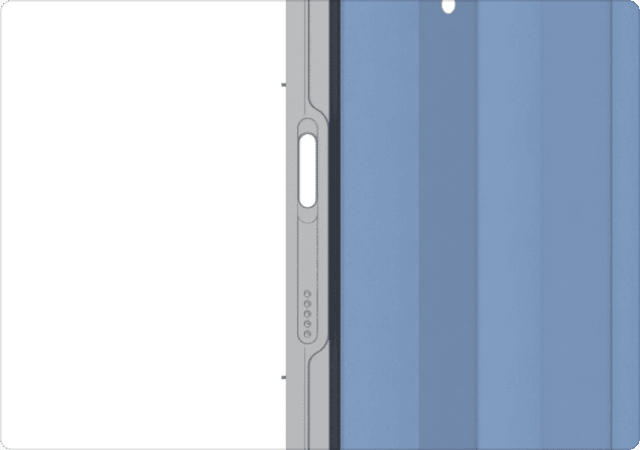
We leveraged our experience in designing and manufacturing door latching systems during the design of the secondary barrier which provided important insights that were applied to the development of the secondary barrier. This has resulted in a user-friendly system that can be operated with one hand and effectively prevents unauthorized use in both the deployed and stowed positions.
Our secondary barrier features a seamless design that achieves a maximum protrusion of under 2.5" into the aisle allowing for efficient use of space while maintaining optimal functionality. The latch, frame, and strike can be standardized across different aircraft streamlining the manufacturing and installation process. Additionally, the flexible track and curtain can be custom designed to accommodate various aircraft configurations, including the incorporation of curves. This adaptable design ensures that the secondary barrier can be tailored to fit the specific requirements of different aircraft and interior layouts, without compromising security.
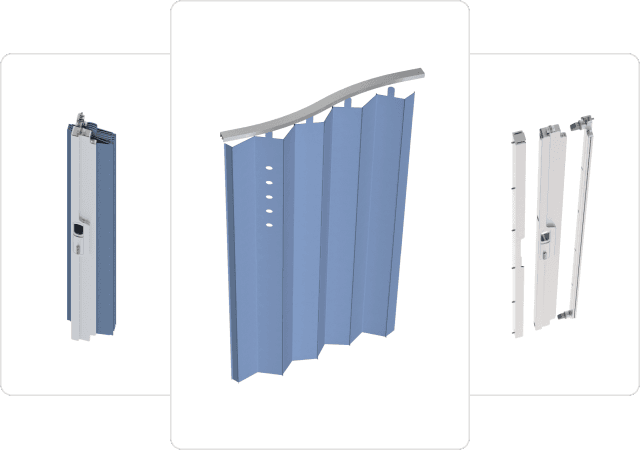
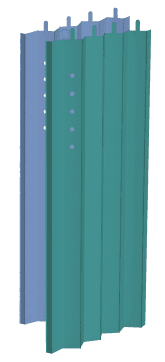
To achieve seamless integration of the secondary barrier within the aircraft, the curtain design can be customized according to customer's preferences, which includes the choice of material color. This customization allows for a harmonious blend with the interior aesthetics of the aircraft.
To provide the best experiences, we use technologies like cookies to store and/or access device information. Consenting to these technologies will allow us to process data such as browsing behavior, unique IDs, or video viewing activity on this site. By clicking “Accept,” you agree that your use of this site, including the video player, may result in the transfer of information (such as video viewing data) to third parties through cookies and similar technologies. Not consenting or withdrawing consent may adversely affect certain features and functions.